Charting Your Course: Assessing Organizational Readiness for Agentic AI Adoption
The year is 2026, and the buzz around Artificial Intelligence has evolved. Beyond generative AI, we’re now firmly in the era of Agentic AI – intelligent systems capable of autonomous planning, execution, and adaptation to achieve complex goals. Imagine AI agents that can not only generate content but also research a market, draft a strategic report, manage project workflows, and even optimize supply chains with minimal human intervention. This isn’t just an upgrade; it’s a paradigm shift, promising unprecedented efficiency, innovation, and strategic advantage.
However, the leap to Agentic AI isn’t simply about buying new software. It demands a holistic transformation, and critically, a thorough assessment of your organization’s readiness. At Sita Infobytes, we understand that successful enterprise AI adoption hinges on more than just technological prowess. It’s about people, processes, data, and culture. Let’s explore how to effectively assess your organization’s capacity to embrace the Agentic AI revolution.
Why Agentic AI Demands a Deeper Readiness Check
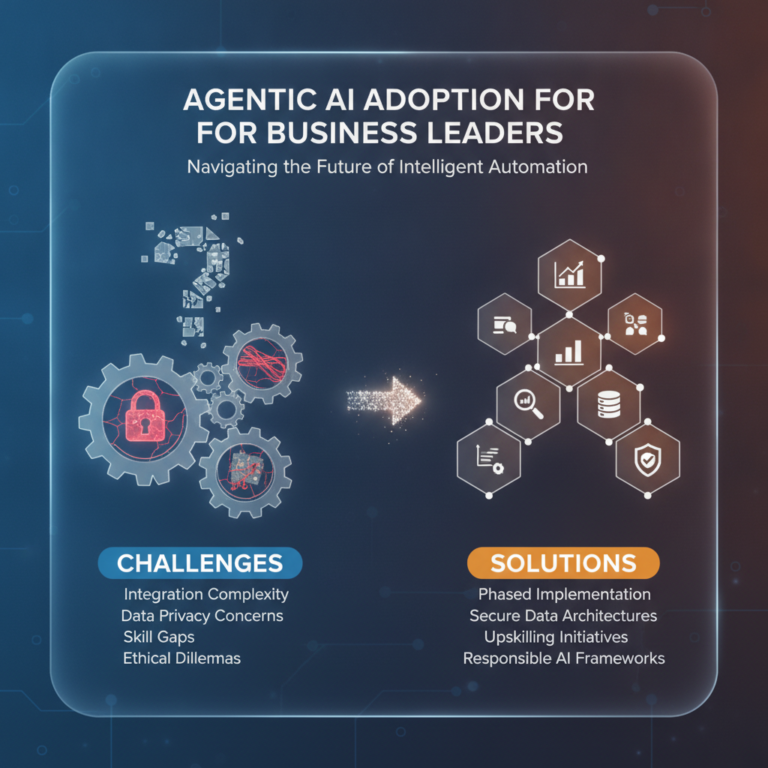
The benefits of Agentic AI are transformative: hyper-personalized customer experiences, automated decision-making, accelerated research and development, and a significant reduction in operational costs. But with great power comes great responsibility, and a greater need for preparation. Unlike previous AI iterations, Agentic AI’s autonomy necessitates robust frameworks for governance, ethics, and security. A proactive AI readiness assessment is your compass in this new frontier, ensuring a smooth transition and maximizing ROI.
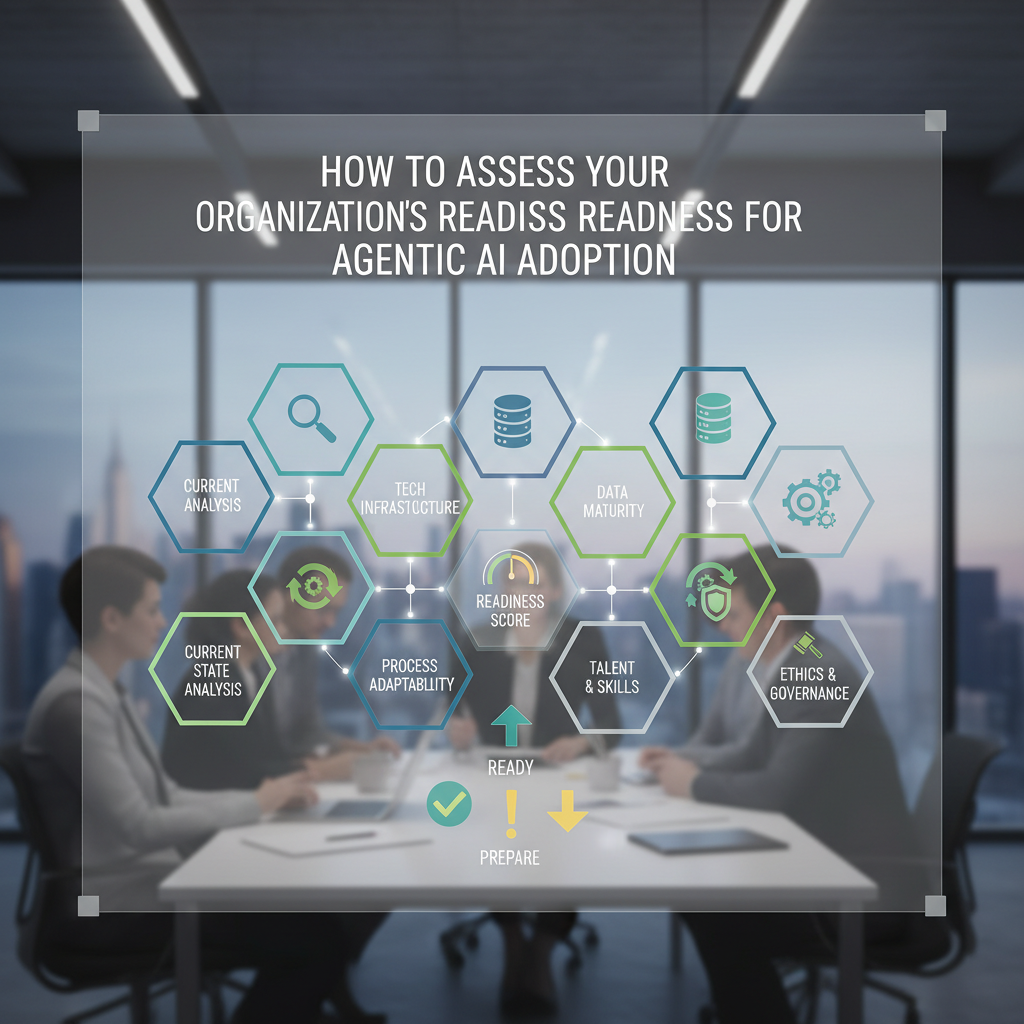
Key Pillars of Agentic AI Readiness: A Multi-Dimensional Assessment
To truly understand your organization’s preparedness, we must look beyond superficial metrics. Here are the critical areas to evaluate:
1. Strategic Alignment & Vision
- Business Goals: Do your organizational goals clearly articulate where Agentic AI can create the most value? Is there a shared understanding across leadership?
- Vision & Leadership Buy-in: Is there a clear, compelling vision for Agentic AI’s role in your future? Do senior leaders champion this vision and allocate necessary resources?
- Use Case Identification: Have you identified specific, high-impact business problems that Agentic AI can solve, or new opportunities it can unlock?
2. Data Foundation: The Lifeblood of AI
- Data Quality & Volume: Is your data clean, accurate, consistent, and sufficient for training and operating autonomous agents?
- Data Accessibility & Integration: Can Agentic AI systems easily access and integrate data from disparate sources across your enterprise?
- Data Governance: Are robust policies in place for data ownership, access, usage, and lifecycle management?
3. Technological Infrastructure & Architecture
- Compute Power: Do you have access to the necessary computational resources (cloud, GPUs) to deploy and scale Agentic AI solutions?
- Integration Capabilities: Can Agentic AI seamlessly integrate with your existing systems (ERPs, CRMs, legacy applications)?
- Scalability & Flexibility: Is your infrastructure designed to scale as Agentic AI adoption expands, and adapt to evolving technologies?
4. Talent, Skills, & Organizational Culture
- AI Literacy: Does your workforce understand basic AI concepts, and are they prepared to collaborate with AI agents?
- Skills Gap Analysis: Do you have the necessary data scientists, ML engineers, AI ethicists, and prompt engineers? If not, what’s your strategy for upskilling or hiring?
- Change Management: Is your organization prepared for the cultural shift required to embrace autonomous AI, including fear of job displacement and new ways of working?
- Collaboration & Trust: Can humans and AI agents effectively collaborate and build trust in shared goal attainment?
5. Governance, Ethics, & Responsible AI
- Ethical Guidelines: Have you established clear ethical principles for AI development and deployment, particularly for autonomous agents?
- Regulatory Compliance: Are you aware of and prepared to comply with evolving AI regulations and privacy laws (e.g., GDPR, state-specific AI acts)?
- Risk Management: Do you have frameworks to identify, assess, and mitigate risks associated with Agentic AI, such as bias, explainability, and unintended outcomes?
6. Security & Privacy Posture
- Data Security: Are your data and AI models protected against cyber threats?
- Agent Security: How will you secure the AI agents themselves from adversarial attacks or unauthorized manipulation?
- Privacy by Design: Are privacy considerations baked into the design and deployment of all Agentic AI systems?
Building Your Agentic AI Adoption Roadmap
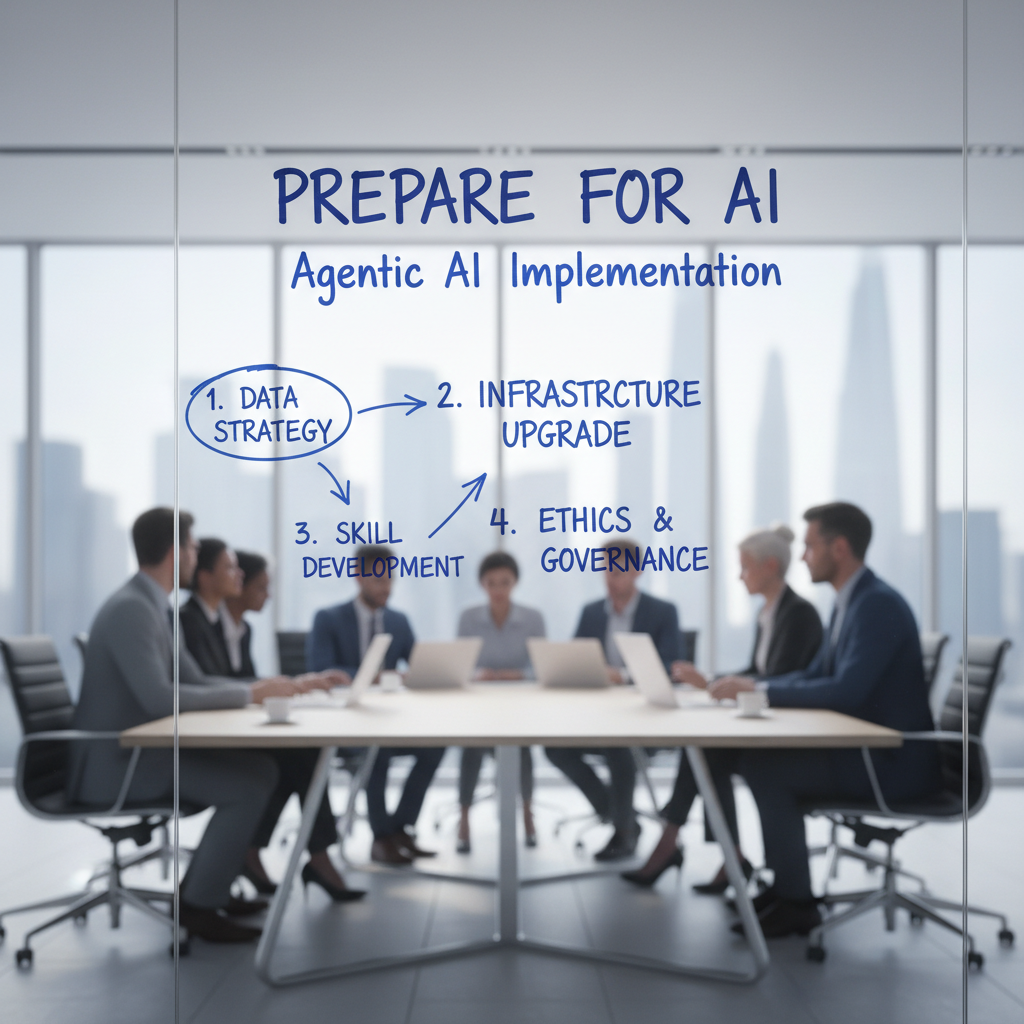
Once you’ve assessed these pillars, you’ll have a clear picture of your strengths and gaps. This is the foundation for creating a strategic Agentic AI implementation timeline. We recommend a phased approach:
- Pilot Projects: Start small with high-impact, low-risk use cases to gain experience and demonstrate value.
- Iterative Development: Deploy, learn, and refine. Agentic AI thrives on continuous improvement.
- Skills Development: Invest in training and upskilling your teams, fostering an AI-ready culture.
- Governance Evolution: Continuously update your ethical and security frameworks as your Agentic AI capabilities mature.
Ready to Unlock the Power of Agentic AI?
Embracing Agentic AI isn’t just about staying competitive; it’s about redefining what’s possible for your business. A comprehensive readiness assessment is the critical first step in this exciting journey. Don’t navigate this complex landscape alone.
At Sita Infobytes, we specialize in guiding organizations through their AI transformation, from readiness assessment to full-scale implementation. Let us help you develop a robust Agentic AI strategy tailored to your unique needs.
Ready to assess your organization’s potential and accelerate your Agentic AI journey? Reach out to us today through our contact form: Sita Infobytes Contact Us.