Navigating the Cloud: Overcoming AWS Migration Challenges in 2026
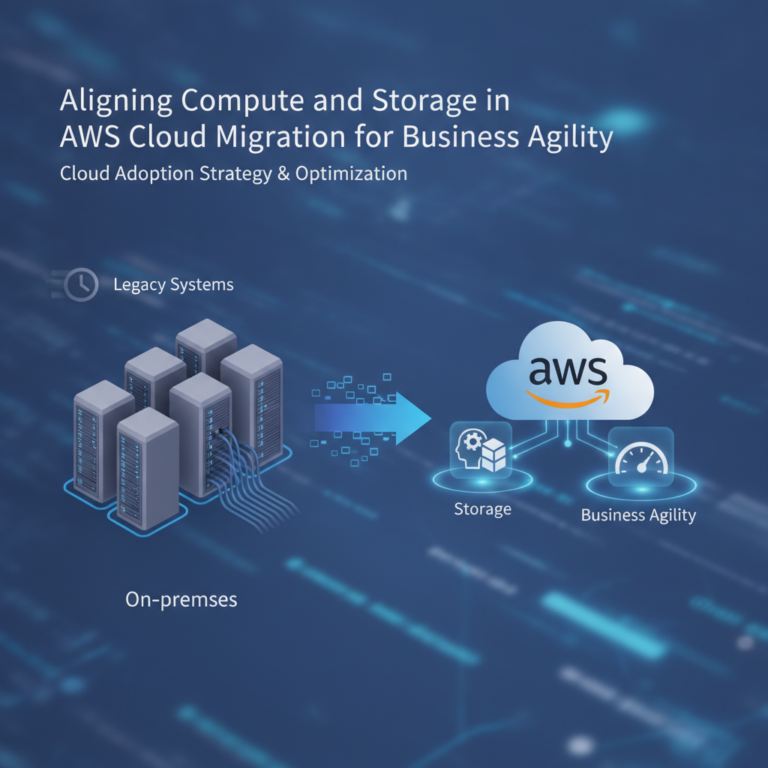
In today’s fast-evolving digital landscape, embracing the cloud isn’t just an option—it’s a strategic imperative. By 2026, businesses that haven’t fully embraced cloud capabilities risk falling behind in agility, innovation, and market responsiveness. Amazon Web Services (AWS) continues to be a leading choice for its unparalleled breadth of services, scalability, and robust ecosystem. However, the journey to the cloud, particularly large-scale migrations to AWS, often comes with its own set of significant challenges.
At Sita Infobytes, we understand that a successful AWS cloud migration isn’t just about moving servers; it’s about transforming your operational efficiency, enhancing security, and unlocking new opportunities for growth. This guide outlines the key steps to effectively overcome common AWS cloud migration challenges, ensuring your transition is smooth, secure, and yields maximum value.
The Imperative of AWS Cloud Migration in 2026
Why are so many businesses flocking to AWS? The answer lies in its ability to deliver:
- Unmatched Scalability: Dynamically adjust resources to meet demand, avoiding over or under-provisioning.
- Global Reach: Deploy applications closer to your users for reduced latency and improved performance.
- Innovation Acceleration: Access a vast array of cutting-edge services, from AI/ML to IoT, without upfront infrastructure investments.
- Cost Efficiency: Optimize spending with a pay-as-you-go model and various pricing options.
- Enhanced Security: Leverage AWS’s robust security architecture and compliance certifications.
Despite these compelling benefits, organizations frequently encounter hurdles. Let’s delve into these challenges and, more importantly, how to overcome them.
Common Hurdles in AWS Cloud Journeys
While the rewards of cloud adoption are clear, the path can be complex. Typical AWS cloud migration challenges include:
- Inadequate planning and assessment
- Security and compliance concerns
- Data migration complexities and downtime
- Managing costs effectively in the cloud
- Lack of internal cloud skills and expertise
- Application compatibility and refactoring needs
- Ensuring business continuity during transition
The good news? These challenges are surmountable with a structured approach and the right expertise.
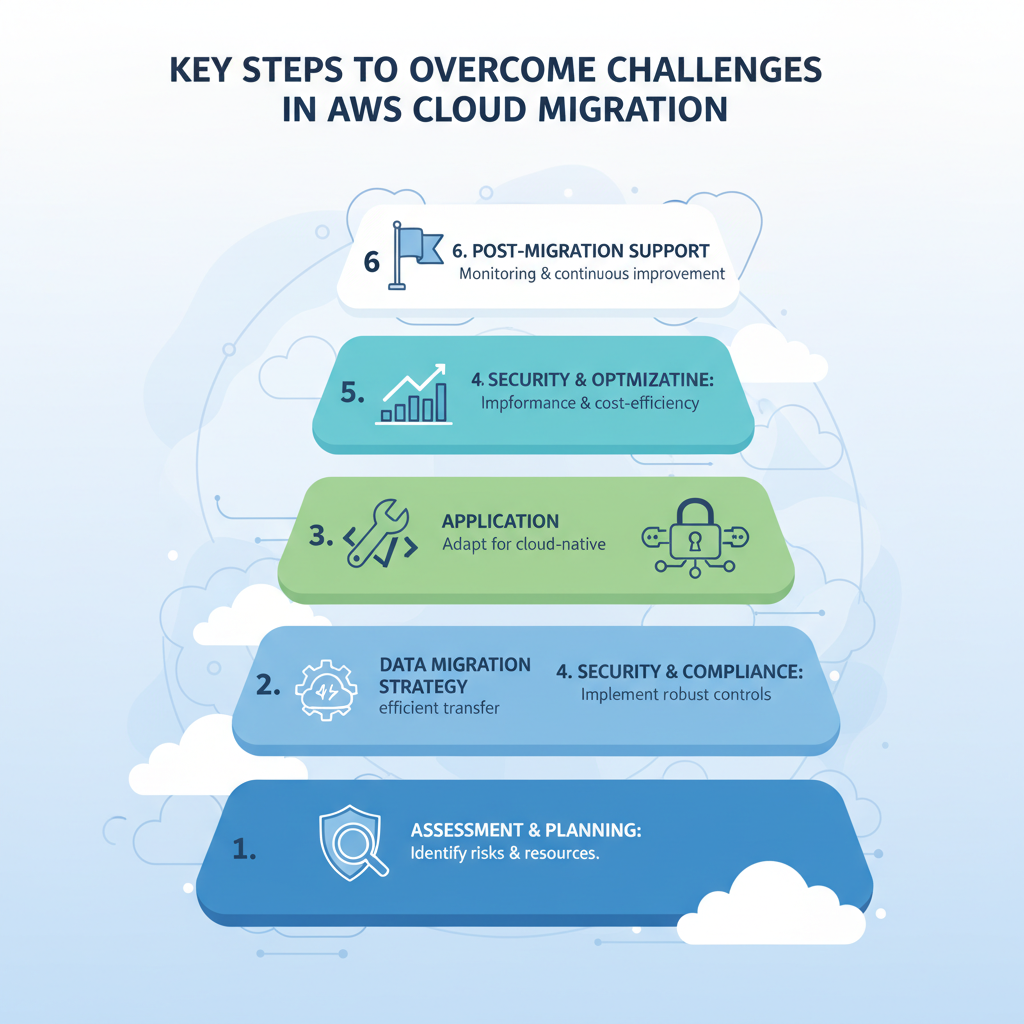
Key Steps to Ensure a Smooth AWS Cloud Migration
1. Comprehensive Planning and Assessment (The Discovery Phase)
Before any migration begins, a thorough assessment is paramount. This initial phase helps in understanding your current IT landscape, dependencies, and potential obstacles. It’s the bedrock for effective cloud migration risk mitigation.
- Application Discovery: Identify all applications, their dependencies, and interconnections. Tools like AWS Application Discovery Service can automate this.
- Portfolio Analysis: Categorize applications based on their criticality, complexity, and migration suitability.
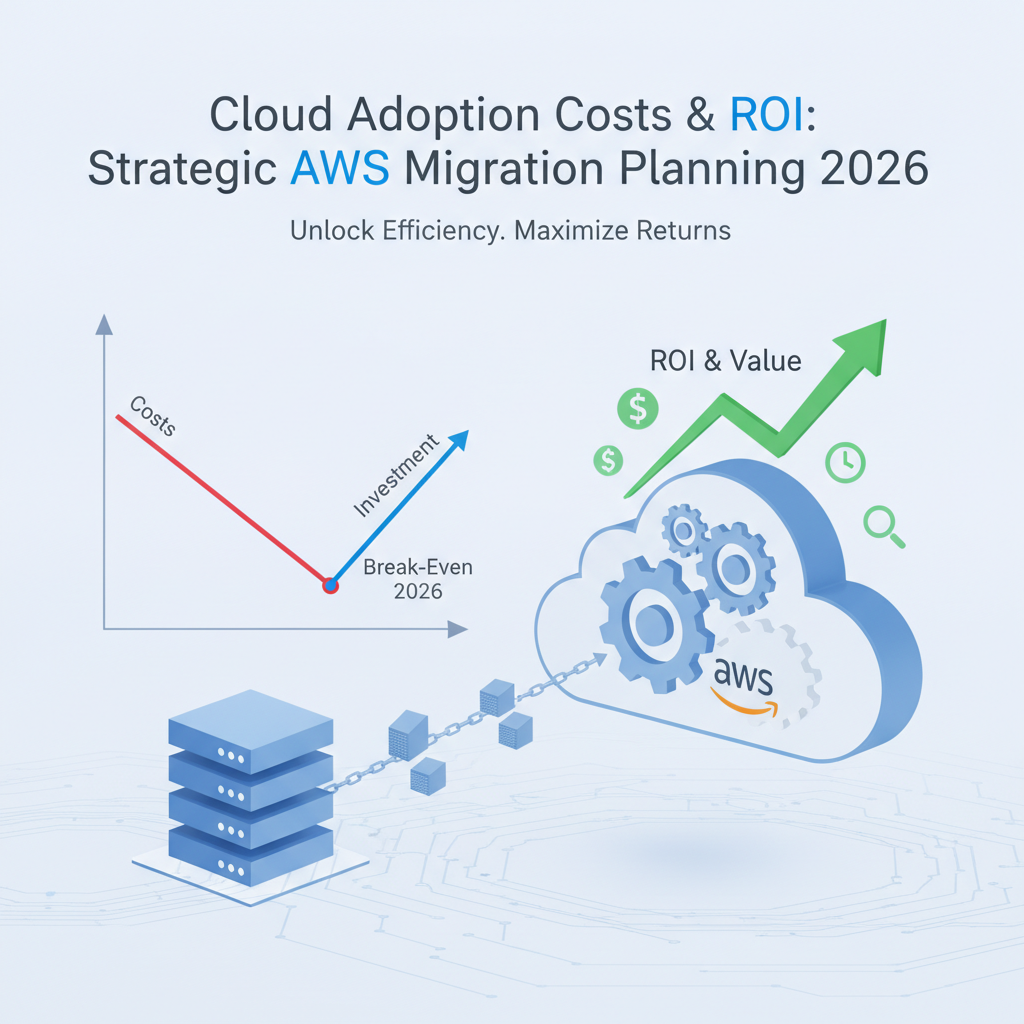
- Total Cost of Ownership (TCO) Analysis: Understand current operational costs versus potential cloud costs.
- Migration Readiness Assessment: Evaluate your organization’s readiness (people, process, technology) for cloud adoption.
2. Develop a Robust Migration Strategy (The 6 Rs Reimagined)
Not all applications migrate the same way. AWS advocates for the ‘6 Rs’ of migration strategies:
- Rehost (Lift and Shift): Moving applications as-is to AWS. Quickest, but might not optimize cloud benefits.
- Replatform (Lift and Reshape): Making minor cloud-native optimizations without changing core architecture.
- Refactor/Re-architect: Rebuilding applications using cloud-native features for maximum benefit (e.g., serverless, containers).
- Repurchase: Moving to a SaaS solution.
- Retain: Keeping certain applications on-premises.
- Retire: Decommissioning unused applications.
Choosing the right strategy for each workload is a critical part of AWS migration best practices.
3. Prioritize Security and Compliance from Day One
Security is a shared responsibility in the cloud. AWS secures the ‘cloud itself,’ while you are responsible for ‘security in the cloud.’ Proactive security measures are vital:
- Implement robust Identity and Access Management (IAM) policies.
- Utilize AWS security services like AWS WAF, Security Hub, GuardDuty, and Shield.
- Ensure data encryption at rest and in transit.
- Align with relevant compliance frameworks (e.g., GDPR, HIPAA, PCI DSS) using AWS Artifact.
4. Address Skill Gaps and Foster a Cloud-First Culture
One of the biggest internal hurdles is often a lack of cloud expertise. Invest in training your teams on AWS services, architecture, and operational best practices. Foster a culture that embraces change, continuous learning, and cloud-native thinking. Partnering with an experienced AWS migration expert can bridge critical skill gaps during the transition.
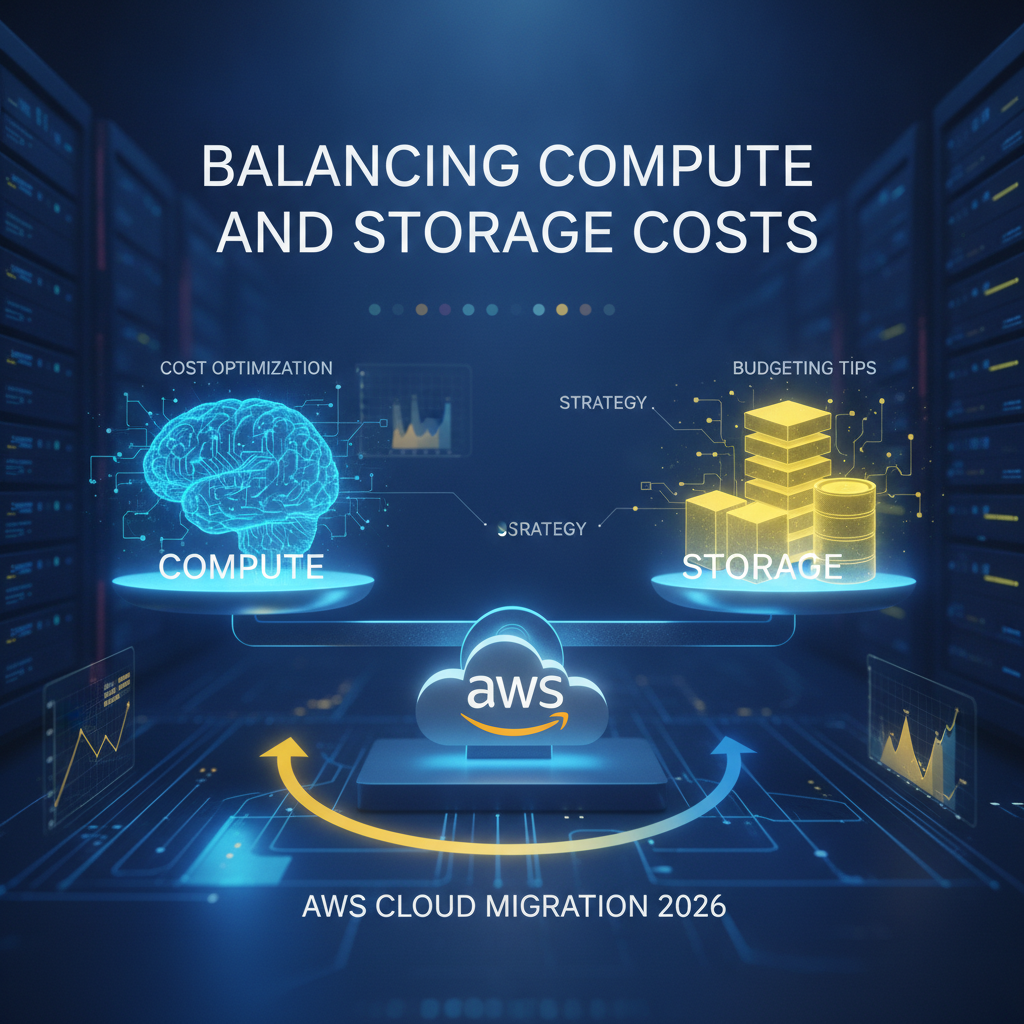
5. Optimize Costs Proactively and Continuously
While AWS can be cost-effective, unmanaged cloud usage can lead to unexpected bills. Effective cloud cost optimization strategies include:
- Right-sizing: Matching instance types and storage to actual workload needs.
- Reserved Instances & Savings Plans: Committing to usage for significant discounts.
- Automating Shutdowns: Turning off non-production resources when not in use.
- FinOps Practices: Integrating financial accountability with cloud operations.
- Utilize AWS Cost Explorer and Budgets for monitoring and alerts.
6. Implement a Phased Data Migration Approach
Migrating data can be challenging, especially for large volumes or sensitive information. A phased approach minimizes risk and downtime:
- Identify Data Volumes and Types: Understand where your data resides and its characteristics.
- Choose the Right Tools: Leverage AWS Database Migration Service (DMS), AWS DataSync, or the AWS Snow Family for large-scale transfers.
- Ensure Data Integrity: Implement validation checks throughout the migration process.
- Minimize Downtime: Utilize strategies like live migration or cutover windows during off-peak hours.
7. Test, Validate, and Monitor Relentlessly
Rigorous testing before, during, and after migration is crucial. Validate application functionality, performance, and security in the AWS environment. Implement comprehensive monitoring using AWS CloudWatch, X-Ray, and third-party tools to quickly identify and resolve any issues.
8. Embrace Post-Migration Optimization and Modernization
Migration isn’t the finish line; it’s the starting point. Continuously optimize your AWS environment by:
- Refactoring applications to leverage managed services (e.g., RDS, Lambda).
- Adopting containerization (Amazon ECS, EKS) for improved portability and scalability.
- Implementing CI/CD pipelines for automated deployments.
- Regularly reviewing architecture for cost efficiency and performance improvements.
Partnering for AWS Migration Success
Overcoming the complexities of AWS cloud migration challenges requires strategic planning, deep technical expertise, and a commitment to continuous improvement. For many organizations, partnering with a seasoned AWS expert like Sita Infobytes can significantly de-risk the process, accelerate time-to-value, and ensure your AWS cloud adoption process is a resounding success.
Ready to Transform Your Business with AWS?
Don’t let the challenges of cloud migration deter you from achieving your digital transformation goals. With the right strategy and expertise, your journey to AWS can be seamless and incredibly rewarding.
Explore how Sita Infobytes can help your business navigate and conquer its AWS cloud migration. Reach out to us through our contact us page today to discuss your specific needs and leverage our specialized cloud migration services!