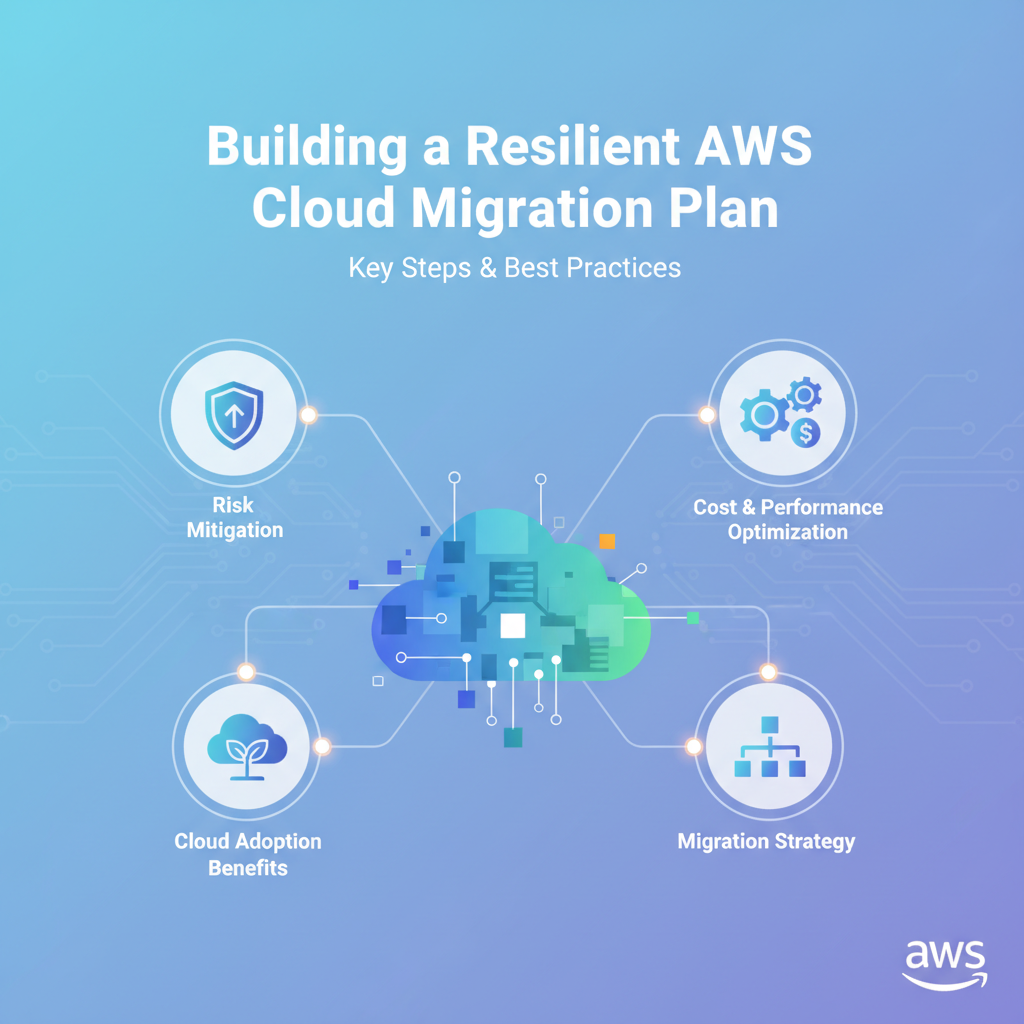
Building a Resilient AWS Cloud Migration Plan: Your Path to Future-Proofing in 2026 and Beyond
In today’s fast-evolving digital landscape, moving to the cloud isn’t just an option—it’s a strategic imperative. For many organizations, Amazon Web Services (AWS) stands out as a leading platform, offering unparalleled scalability, flexibility, and a vast ecosystem of services. However, a successful cloud journey isn’t just about ‘lifting and shifting’ your operations; it’s about crafting a resilient AWS cloud migration plan that ensures stability, security, and continuous innovation.
At Sita Infobytes, we understand that a robust migration minimizes disruptions, optimizes costs, and sets the stage for future growth. Let’s explore the key steps and best practices to make your AWS migration a resounding success.
Why Migrate to AWS? Unlocking Cloud Adoption Benefits
Before diving into the ‘how,’ let’s reaffirm the compelling ‘why.’ Migrating to AWS offers a multitude of benefits that drive business value:
- Scalability & Elasticity: Instantly scale resources up or down to match demand, paying only for what you use. No more guessing future capacity needs!
- Cost Efficiency: Shift from capital expenditure (CapEx) to operational expenditure (OpEx), reduce hardware costs, and leverage AWS’s pay-as-you-go model.
- Enhanced Security & Compliance: Benefit from AWS’s robust global infrastructure and extensive security features, often exceeding on-premises capabilities, helping you meet stringent compliance requirements.
- Innovation & Agility: Access a rich suite of services (AI/ML, IoT, analytics, serverless) to accelerate development cycles and bring new products and features to market faster.
- Global Reach & Reliability: Deploy applications closer to your users across multiple AWS Regions, enhancing performance and ensuring high availability.
Key Steps for a Resilient AWS Cloud Migration Plan
A well-structured plan is the backbone of any successful migration. Here’s a phased approach we recommend:
Phase 1: Assessment & Strategy – Know Before You Go
This foundational phase is crucial for defining your AWS cloud migration strategy. It involves a deep dive into your current environment.
- Discovery & Inventory: Understand your existing infrastructure, applications, databases, and their interdependencies. What’s running where, and how critical is it?
- Total Cost of Ownership (TCO) & ROI Analysis: Compare current costs with projected AWS costs, factoring in operational savings and potential new revenue streams.
- Workload Prioritization: Identify which applications to migrate first. Often, less critical workloads serve as excellent pilot projects.
- Migration Strategy (The 6 Rs): Determine the best approach for each application:
- Rehost (Lift & Shift): Move applications as-is to AWS. Quickest, least disruptive.
- Replatform (Lift, Tinker & Shift): Make minor cloud-native optimizations without changing core architecture.
- Refactor/Rearchitect: Rebuild applications to fully leverage cloud-native features (e.g., serverless).
- Repurchase: Replace existing applications with SaaS solutions.
- Retain: Keep some applications on-premises if migration isn’t feasible or beneficial.
- Retire: Decommission unused applications.
Phase 2: Planning & Design – Architecting for Success
With a strategy in place, it’s time to design your future state on AWS, keeping resilience and security at the forefront.
- Target Architecture Design: Based on the AWS Well-Architected Framework, design your cloud environment, including Virtual Private Clouds (VPCs), subnets, and networking.
- Security & Identity Management: Implement robust Identity and Access Management (IAM) policies, security groups, network ACLs, and encryption strategies from day one.
- Data Migration Plan: Strategize how to move your data (databases, file systems) efficiently and securely using services like AWS Database Migration Service (DMS) or AWS Snow Family.
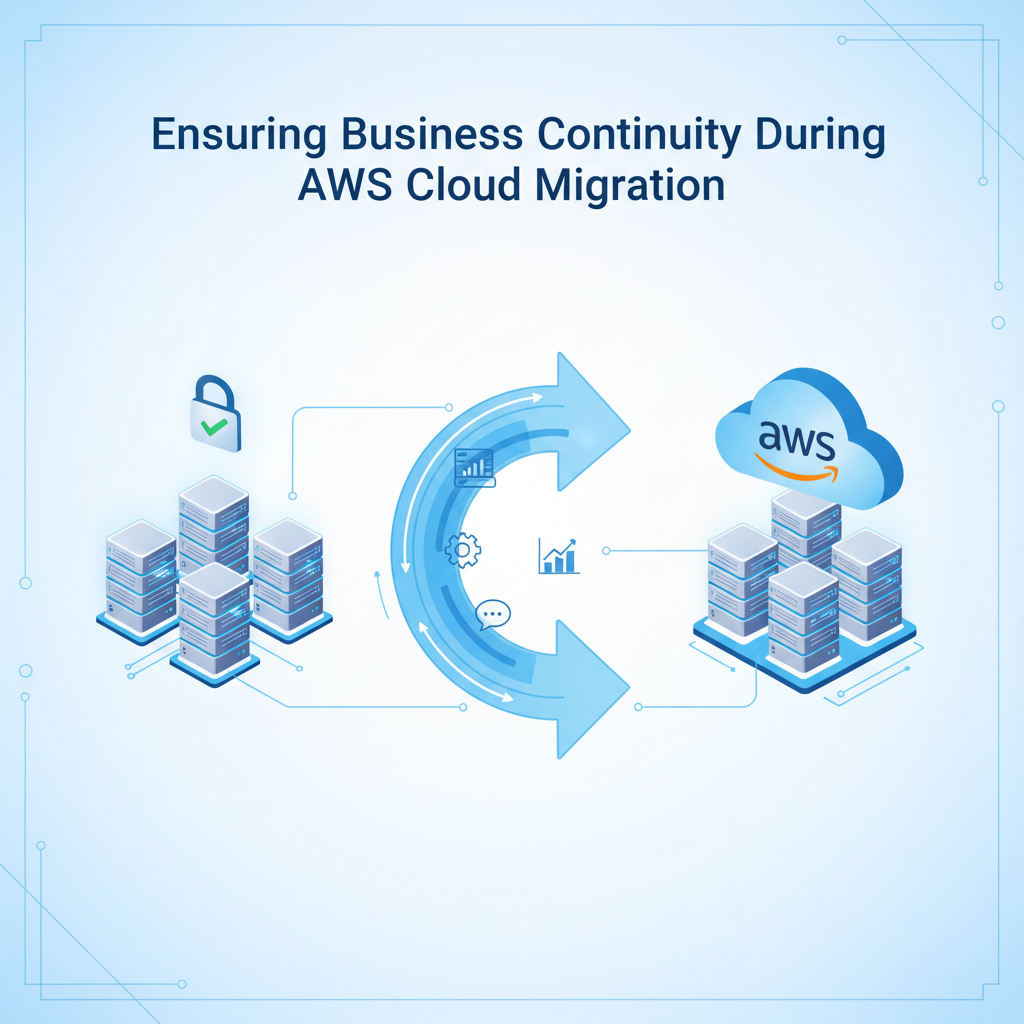
- Disaster Recovery (DR) & Business Continuity (BC): Design for high availability and quick recovery, leveraging AWS’s global infrastructure and services like AWS Backup or AWS Site Recovery.
- Detailed Project Plan: Define timelines, resources, roles, responsibilities, and success metrics.
Phase 3: Migration & Execution – Making the Move
This is where the actual migration happens, often in a phased, iterative manner to minimize risk.
- Pilot Migrations: Start with non-critical applications to refine your processes and gain experience.
- Utilize AWS Migration Tools: Leverage services like AWS Application Migration Service (AWS MGN), AWS DataSync, or AWS Migration Hub to automate and orchestrate the migration process.
- Data Synchronization: Ensure data integrity by synchronizing on-premises data with AWS targets throughout the migration.
- Testing, Testing, Testing: Rigorously test migrated applications for functionality, performance, security, and user acceptance (UAT) before cutover.
- Phased Cutover: Migrate in waves, minimizing the blast radius and allowing for quick rollbacks if needed.
Phase 4: Optimization & Modernization – Thriving in the Cloud
Migration is not the finish line; it’s the starting point for continuous improvement and innovation.
- Cost Optimization: Continuously monitor and optimize your AWS spend using tools like AWS Cost Explorer, implementing Reserved Instances, Savings Plans, and right-sizing compute resources. This is key for ongoing AWS compute and storage optimization.
- Performance Tuning: Optimize instance types, database performance, and network configurations for maximum efficiency.
- Security & Compliance Review: Regularly audit your cloud environment, update security policies, and ensure ongoing compliance with industry standards.
- Continuous Monitoring & Management: Use AWS CloudWatch, AWS Config, and other tools to maintain visibility and control over your cloud environment.
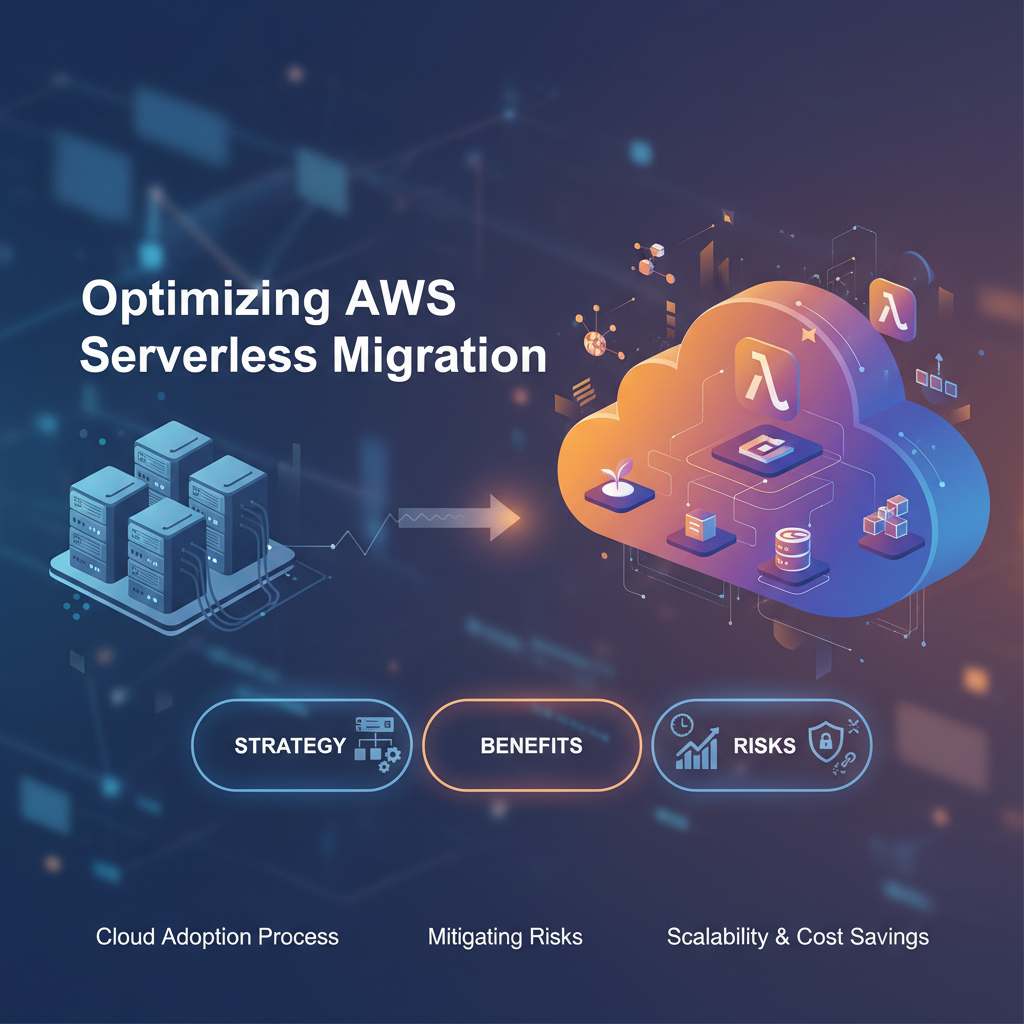
- Modernization: Look for opportunities to refactor applications using cloud-native services like AWS Lambda (serverless), Amazon ECS/EKS (containers), or managed databases like Amazon Aurora to unlock greater agility and efficiency.
Mitigating Risks in Your AWS Cloud Migration
While the benefits are clear, a proactive approach to cloud migration risk mitigation is vital.
- Data Loss or Corruption: Implement robust backup strategies, test recovery procedures regularly, and ensure data integrity during synchronization.
- Downtime During Cutover: Plan phased migrations, use high-availability architectures, and have clear rollback strategies.
- Security Breaches: Enforce strict IAM policies, use multi-factor authentication, employ encryption, and conduct regular security audits and vulnerability assessments.
- Cost Overruns: Establish clear budgets, monitor costs diligently with AWS Cost Explorer, implement tagging for resource accountability, and commit to continuous optimization.
- Skill Gaps: Invest in training for your team or partner with experienced cloud professionals to bridge knowledge gaps.
- Vendor Lock-in: Design your architecture with portability in mind, using open standards where possible, though leveraging AWS-specific services often brings significant benefits.
AWS Compute and Storage Optimization: A Deep Dive
Optimizing your core AWS resources directly impacts performance and cost.
- Compute Optimization:
- Right-Sizing EC2 Instances: Choose the appropriate instance type and size based on actual workload demands, not just historical on-premises specs. Leverage AWS Compute Optimizer for recommendations.
- Auto Scaling: Automatically adjust compute capacity to maintain performance and reduce costs during off-peak hours.
- Serverless & Containers: Explore AWS Lambda, Amazon ECS, or AWS Fargate for cost-effective, highly scalable, and lower-management compute options.
- Graviton Processors: Consider Graviton-based EC2 instances for significant price-performance improvements.
- Storage Optimization:
- Amazon S3 Lifecycle Policies: Automatically move infrequently accessed data to lower-cost storage classes (e.g., S3 Infrequent Access, Glacier) or expire unnecessary objects.
- EBS Volume Types: Select the correct Elastic Block Store (EBS) volume type (e.g., gp3 for general purpose, io2 for high-performance databases) to balance cost and performance.
- Database Choices: Choose the right database for your workload (e.g., Amazon Aurora for relational, Amazon DynamoDB for NoSQL) to optimize performance and cost.
- Data Compression & Deduplication: Implement these practices where applicable to reduce storage footprint.
Partnering for a Seamless AWS Journey
Building a resilient AWS cloud migration plan requires expertise, experience, and a clear vision. By 2026, the cloud landscape will be even more dynamic, with new services and optimization opportunities emerging constantly. A well-executed migration sets you up not just for today’s needs but for future agility and innovation.
At Sita Infobytes, we specialize in guiding businesses through complex cloud migrations, ensuring your journey to AWS is efficient, secure, and truly transformative. Our team helps you navigate the challenges, implement best practices, and unlock the full potential of the cloud.
Ready to Build Your Resilient Cloud Future?
Don’t leave your AWS cloud migration to chance. Partner with experts who can help you craft a plan that’s tailored to your unique business needs and sets you up for long-term success. Contact us today to discuss your cloud migration strategy and explore how Sita Infobytes can empower your digital transformation journey.
Reach out to us through our contact us page to avail our expert cloud migration services!